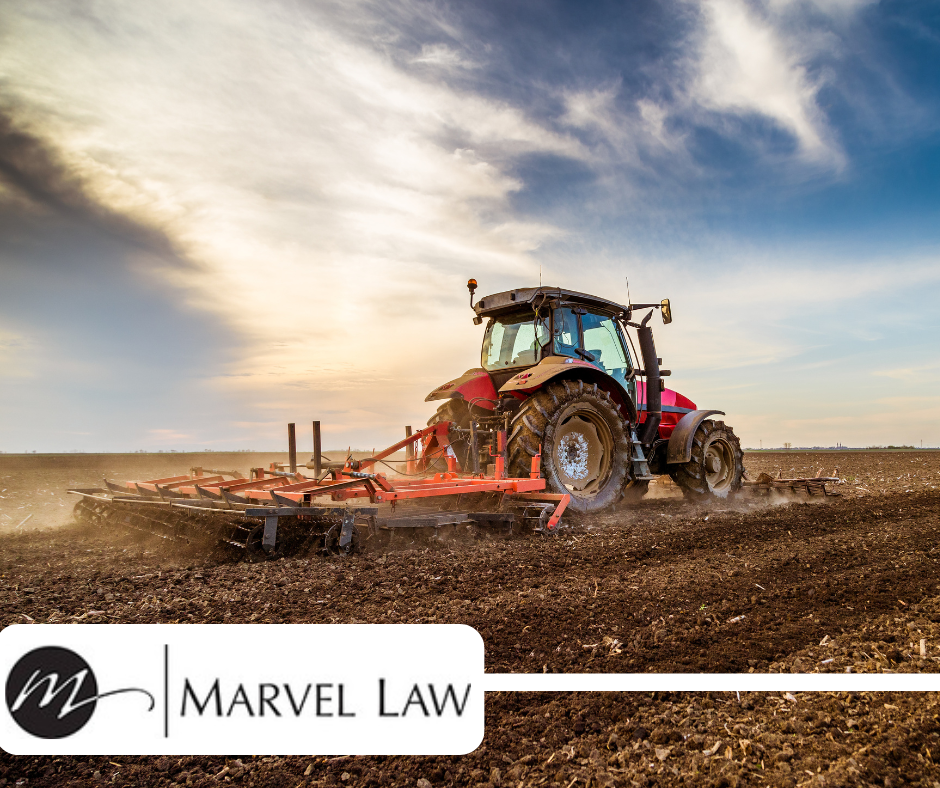
Understanding Agriculture Law: A Comprehensive Guide for Farmers
Agriculture law is the body of law that regulates the production, sale, and distribution of food and fiber products. It encompasses a unique set of legal rules covering land use, water rights, labor, and environmental compliance, ensuring that farming operations remain legally protected and commercially viable in a complex regulatory environment.
What is Agriculture Law and Why Does it Matter?
Agriculture law is far more than just a set of farming rules; it is a comprehensive legal framework that touches every aspect of an agricultural business. For centuries, the law has treated farming differently than other industrial sectors due to the unique risks associated with weather, biology, and food security. In the United States, this specialized legal field ensures that producers can navigate the complexities of federal and state regulations while maintaining the integrity of their property and operations. Understanding the nuances of Agriculture Law is critical for any farmer looking to build a sustainable legacy.
At its core, this legal discipline protects the rights of producers while balancing the needs of the public and the environment. Without a firm grasp of these laws, farmers risk facing heavy fines, losing access to vital resources like water, or seeing their land rights eroded by zoning changes. Whether you are managing a small family orchard or a large-scale commercial operation, the legal landscape determines your ability to compete. As market demands shift and new technologies emerge, the statutes governing the industry continue to evolve, making it necessary to stay informed through expert Resources & Guides .

Core Pillars of Agricultural Regulation
The regulatory environment for agriculture is governed by several powerful entities, most notably the U.S. Department of Agriculture (USDA) and the Environmental Protection Agency (EPA). These agencies oversee programs that range from crop insurance and price supports to pesticide safety and emissions standards. Every few years, the passage of the "Farm Bill" reshapes the financial and regulatory incentives available to producers, making it one of the most important pieces of legislation for the industry. Farmers must understand these core pillars to maximize their benefits and minimize their liabilities.
Beyond federal oversight, state-level departments of agriculture manage local issues such as invasive species control, seed certification, and weights and measures. This dual-layered regulatory structure requires a strategic approach to compliance. By identifying which agencies have jurisdiction over specific activities, farm owners can better prepare for inspections and reporting requirements. For those unsure of where to start, consulting our Frequently Asked Questions page can provide clarity on common regulatory hurdles faced by modern producers in today's economy.
How Do Water Rights Affect Your Farm's Future?
Water is the lifeblood of any agricultural enterprise, but the right to use it is rarely simple. Depending on where your land is located, your water rights may be governed by different legal doctrines. In the eastern United States, the Riparian Doctrine generally allows landowners adjacent to water sources to make reasonable use of that water. In contrast, many western states follow the Prior Appropriation Doctrine, often summarized as "first in time, first in right." This means the first person to use the water for a beneficial purpose retains the right to that water even during shortages.
Navigating these rights requires meticulous record-keeping and a deep understanding of local permits. Water scarcity, caused by changing climate patterns and increasing urban competition, has led to intensified legal battles over irrigation allocations. To protect your farm's future, you must ensure that your water rights are clearly documented and legally defensible.
Consider these common water right challenges:
- Disputes over groundwater pumping and well interference.
- Changes in point-of-diversion for irrigation systems.
- Federal and state restrictions on "Waters of the United States" (WOTUS).
- Transfers of water rights during property sales.
- Environmental flow requirements for protected fish species.
Understanding Land Use and Zoning Requirements
Land use and zoning laws dictate what you can and cannot do on your property. While many rural areas are zoned specifically for agricultural use, the encroachment of suburban development often leads to conflicts between farmers and their new neighbors. "Right-to-Farm" laws were created to protect established agricultural operations from nuisance lawsuits brought by neighbors who object to typical farming sounds, smells, or dust. However, these protections are not absolute and require specific conditions to be met to be legally effective.
Furthermore, conservation easements have become a popular tool for farmers who wish to protect their land from development while receiving tax benefits. By voluntarily restricting certain development rights, a farmer can ensure their acreage remains in agricultural production for generations. This intersection of property law and estate planning is a vital part of maintaining a farm's footprint. If you are considering a land purchase or facing a zoning dispute, visit our Home page to learn how we can assist in securing your land’s intended use.

Key Environmental Laws Impacting Modern Farming
Environmental stewardship is a priority for many producers, but the legal requirements can be overwhelming. The Clean Water Act, the Clean Air Act, and the Endangered Species Act all have significant implications for daily farming activities. For example, the application of fertilizers and pesticides must comply with strict runoff regulations to prevent the contamination of nearby streams and wetlands. Failure to follow these protocols can lead to substantial civil and even criminal penalties from the EPA or state environmental agencies.
In addition to chemical management, the presence of endangered species on agricultural land can limit certain types of land clearing or harvesting activities. Programs like the Conservation Reserve Program (CRP) offer financial incentives to farmers who set aside environmentally sensitive land, turning compliance into a potential revenue stream. Staying ahead of these regulations is not just about avoiding fines; it is about building a resilient business that can withstand increasing environmental scrutiny from consumers and regulators alike. Engaging with legal experts helps translate these complex statutes into actionable farm management plans.
How Can Farmers Navigate Labor and Employment Law?
Managing a workforce in agriculture presents unique challenges, from seasonal labor needs to specific safety standards. Agricultural workers are often subject to different wage and hour rules under the Fair Labor Standards Act (FLSA), though many states are moving toward standardizing overtime and minimum wage requirements for farmworkers. Additionally, for farms that rely on foreign labor, the H-2A visa program provides a legal pathway for temporary workers, but it comes with a heavy burden of compliance, including housing standards and transportation requirements.
Safety is another critical area, with the Occupational Safety and Health Administration (OSHA) enforcing standards tailored to agricultural equipment and chemical exposure. To protect both your employees and your business, it is essential to implement robust training programs and maintain detailed employment records. Clear contracts and handbooks can prevent many common disputes before they escalate into litigation. By prioritizing labor law compliance, farmers can build a stable and productive team to support their growing operations throughout the busy harvest seasons.

Strategies for Business Succession and Estate Planning
One of the most overlooked aspects of agriculture law is the transition of the farm to the next generation. Succession planning involves more than just writing a will; it requires the creation of a business structure that can survive the death or retirement of the primary operator. Many farmers choose to form Limited Liability Companies (LLCs) or Family Limited Partnerships (FLPs) to manage assets, distribute income, and reduce the impact of estate taxes. These structures allow for a gradual transfer of management and ownership to heirs while providing liability protection for the family.
Without a formal plan, the division of a farm among multiple heirs can lead to the fragmentation of the land, making it difficult for any one individual to maintain a viable operation. Effective succession planning should include open communication among family members and a clear roadmap for the future. Legal tools like buy-sell agreements and living trusts can provide the necessary framework to ensure the farm remains intact and operational for decades to come.
Summary: Your Agriculture Law Checklist
Navigating agriculture law requires a proactive approach to land, labor, and regulation. By understanding the legal landscape, farmers can protect their assets and ensure long-term stability. Marvel Law PC is dedicated to helping producers stay compliant and competitive in this changing market.
To ensure your farm is legally sound, keep these key takeaways in mind:
- Verify your water rights and document historical usage.
- Review local zoning laws and understand Right-to-Farm protections.
- Stay updated on Farm Bill changes and EPA environmental standards.
- Implement clear employment contracts and H-2A compliance protocols.
- Establish a formal succession plan to protect your farm's legacy.
If you have questions about any of these areas, we invite you to explore our Legal Services Overview or contact us today for a consultation. Taking the right legal steps now will secure your farm's future for the next generation of American agriculture.
Recent Posts